A Good Company, a Bad Manager: What Is the Role of HR in Developing Middle Management?
By AmCham-userPublished On 24/04/2026
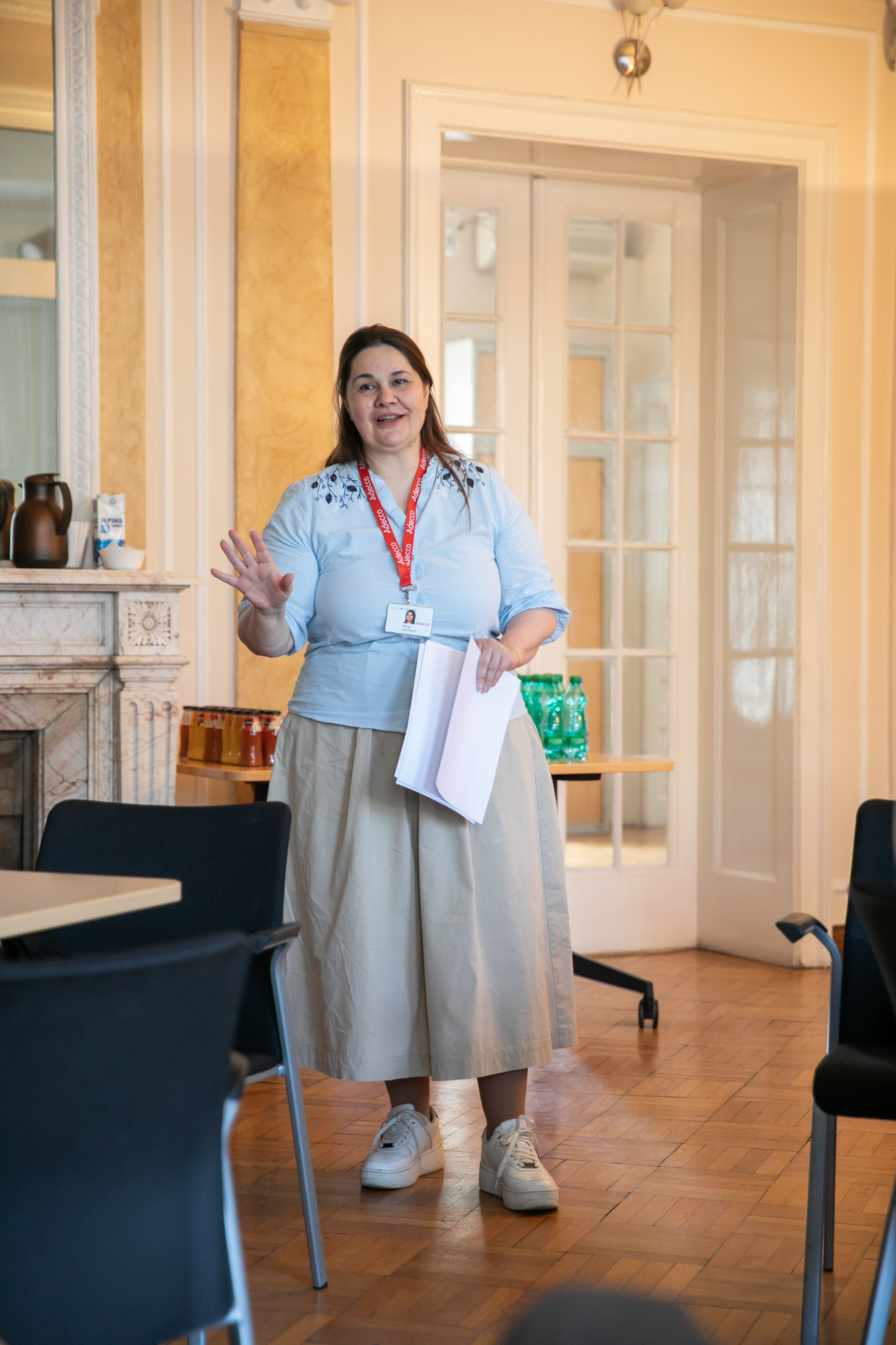
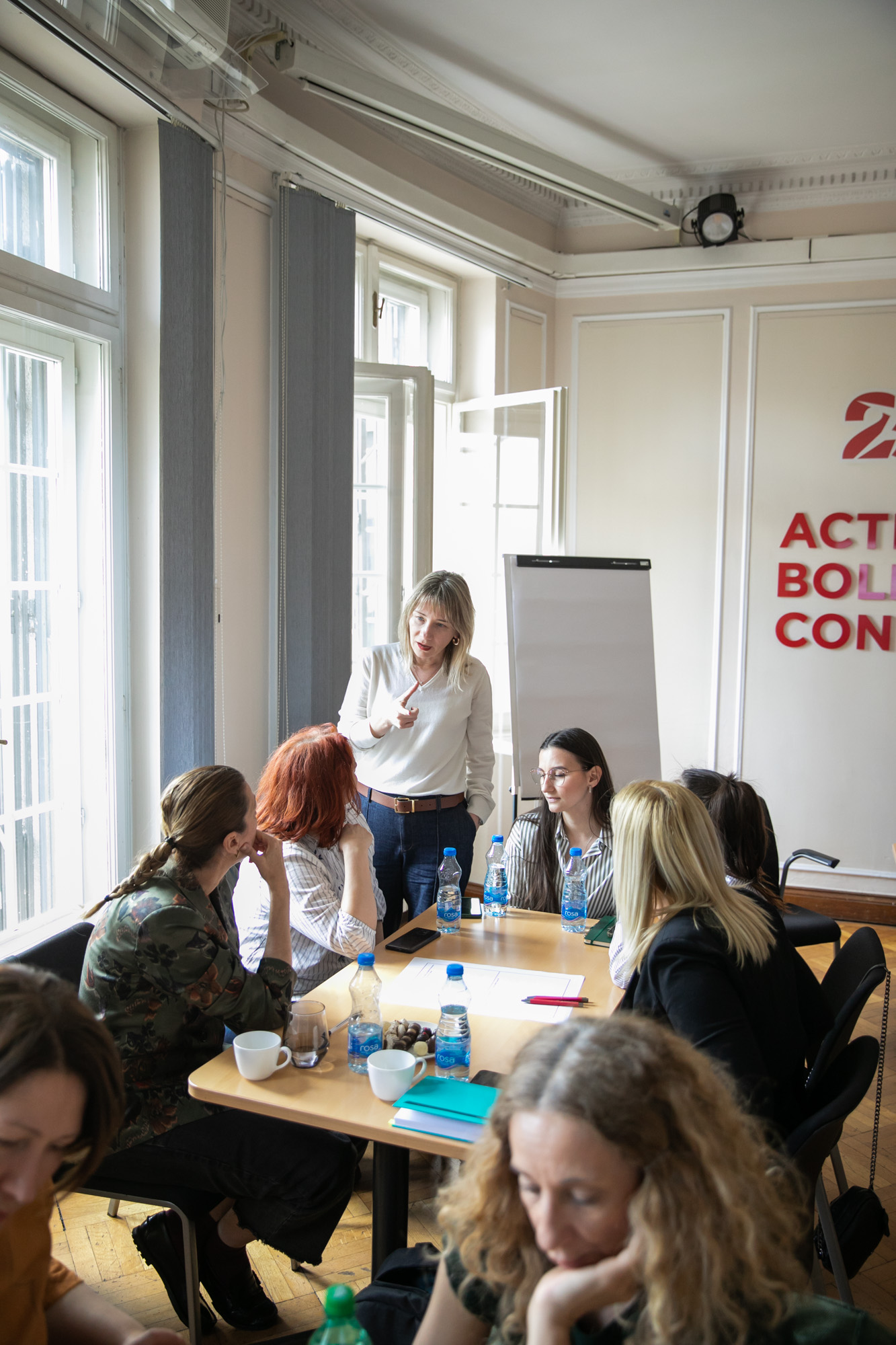
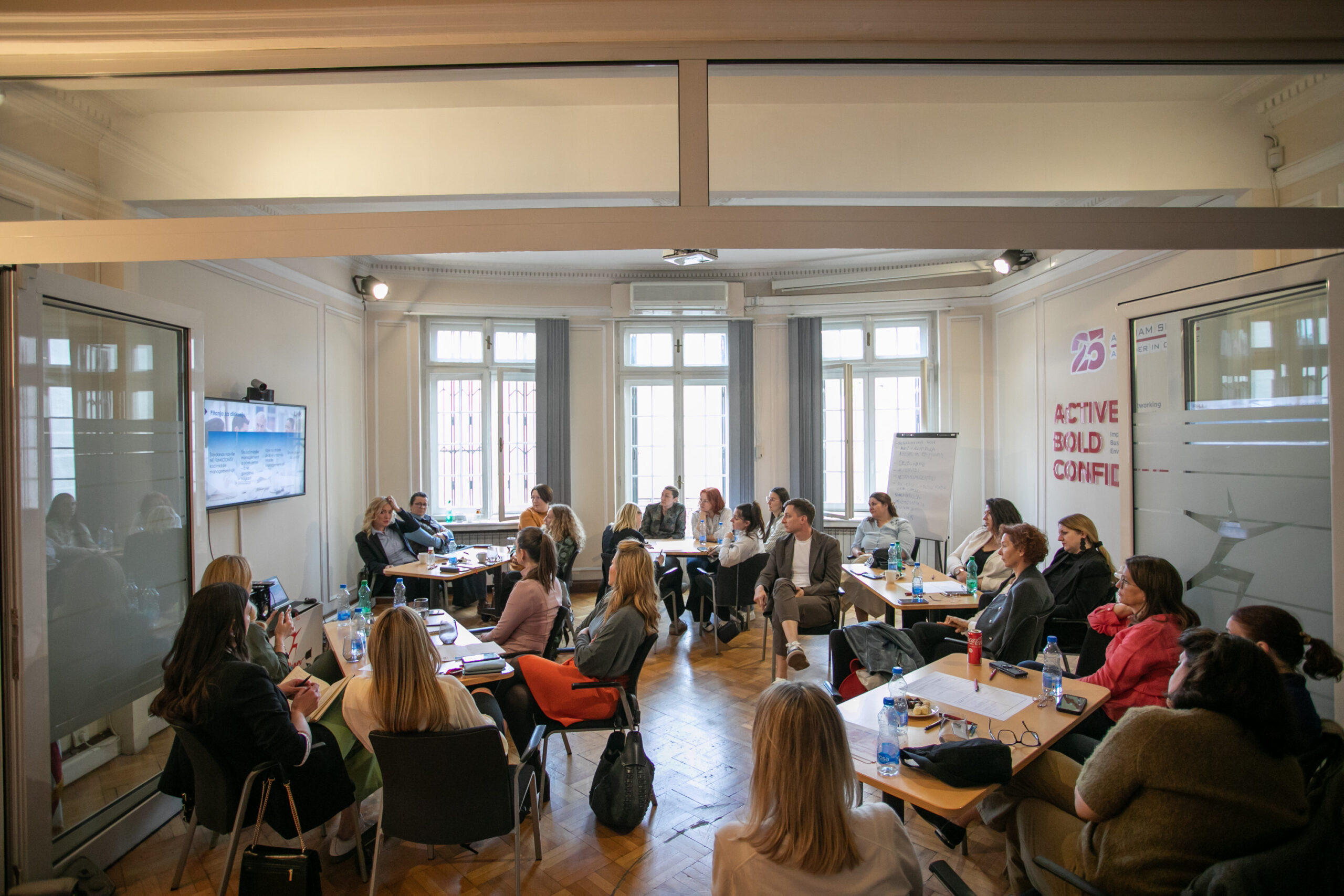
Organized by the AmCham HR Forum, a workshop titled “A Good Company, a Bad Manager: How Can HR Influence Middle Management?” brought together HR professionals to discuss one of the most pressing topics in people management today – the development and support of middle management.
The workshop focused on understanding the challenges faced by employees transitioning from technical and expert roles into managerial positions, as well as the role of HR in supporting this process. Through interactive work and experience sharing, participants explored the complexity of this transition and identified practical approaches to ensure more successful outcomes.
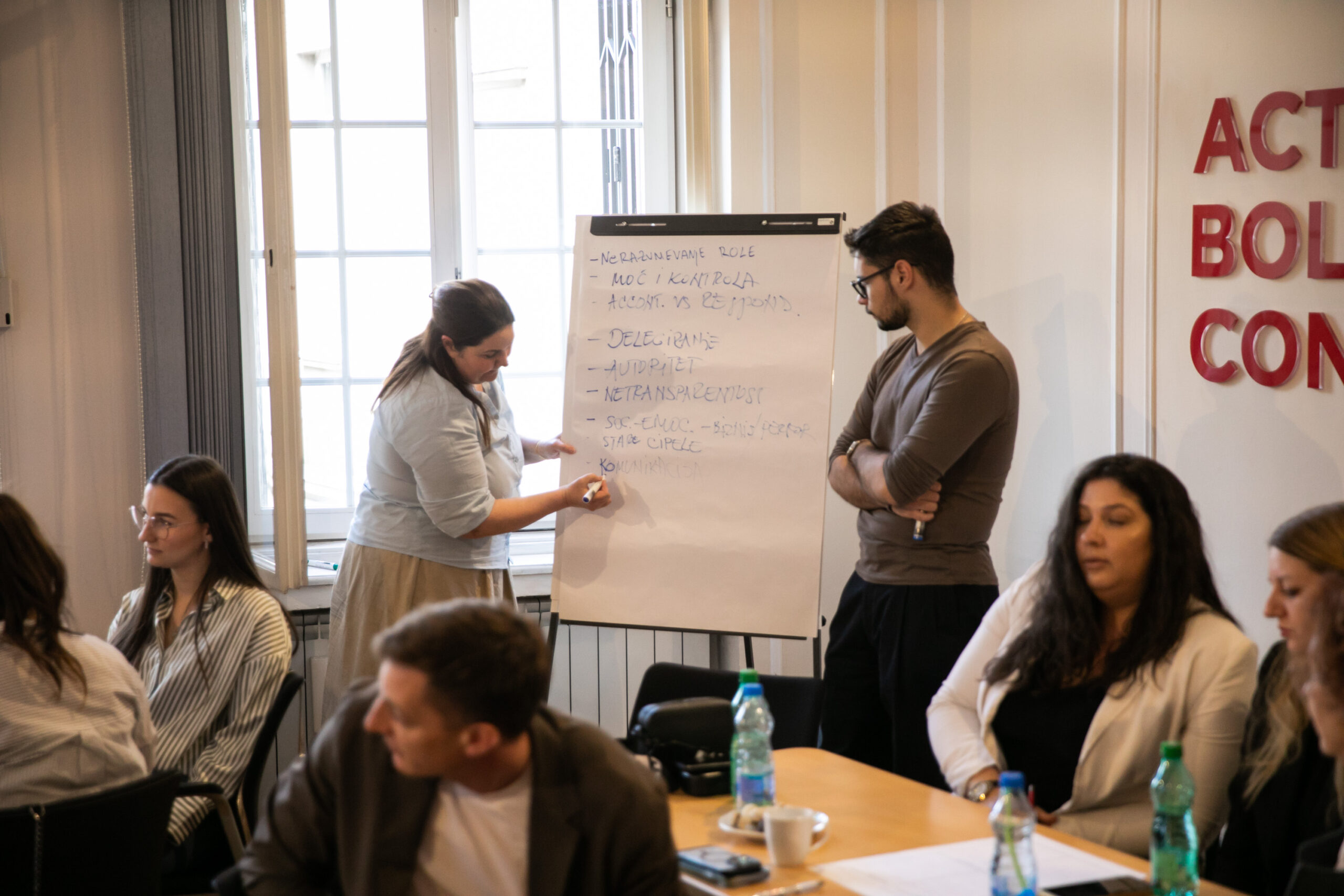
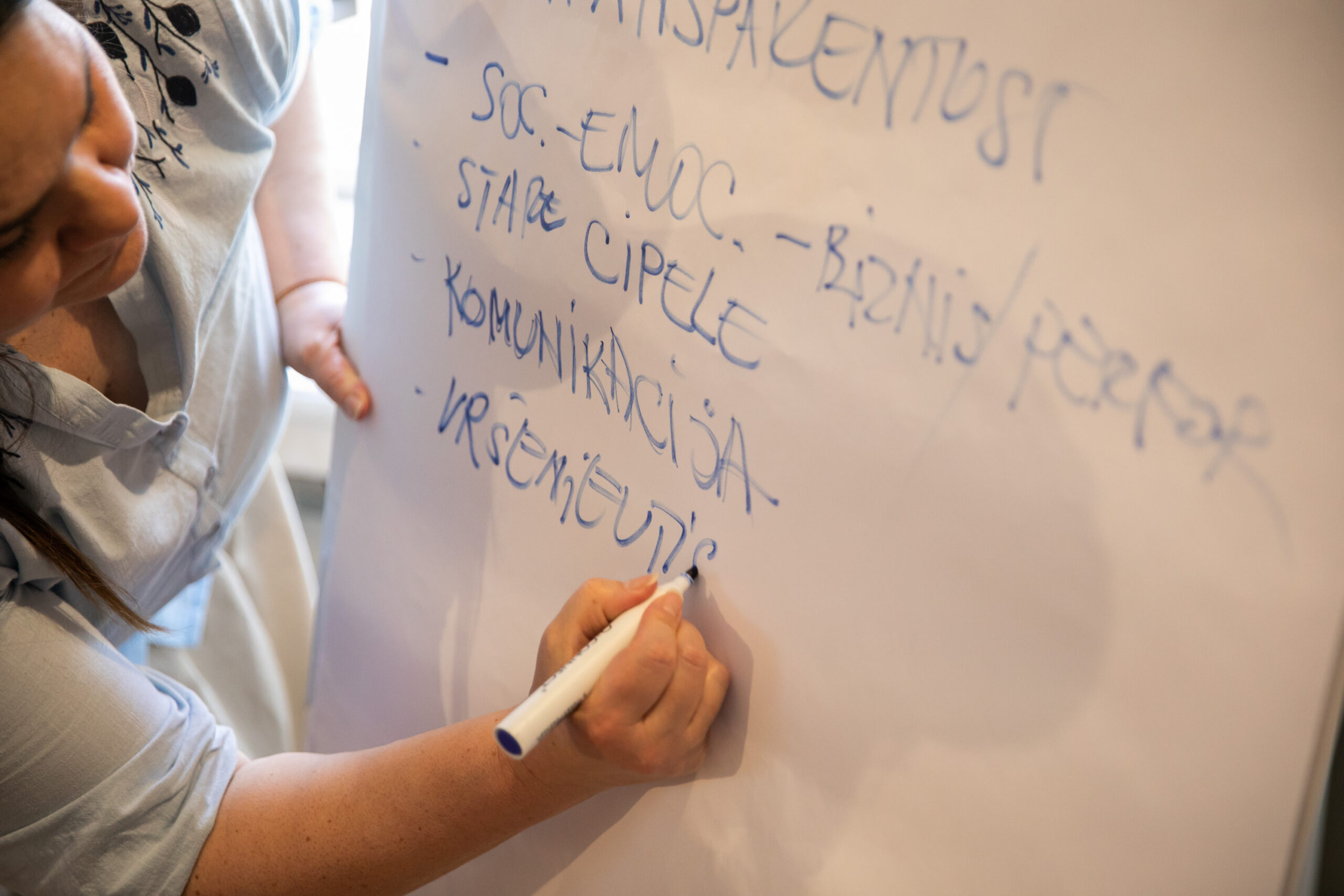
During the discussion, it was highlighted that middle management represents a crucial link between top management and operational teams, but also a level where some of the most significant challenges arise. One of these is the lack of clarity in distinguishing between responsibility and accountability, which further complicates positioning and decision-making. Participants also noted that new managers often hesitate to delegate tasks, fearing that potential poor outcomes may negatively affect their individual performance. At the same time, they face challenges in building authority, as well as a lack of sufficiently developed social and emotional skills required for effective team management.
It was particularly emphasized that success in an expert role does not necessarily imply readiness for a leadership position. Therefore, organizations and HR functions play a key role in the timely identification and development of potential leaders. One of the recommended approaches is the systematic development of talent through various learning and talent programs, enabling gradual preparation for managerial responsibilities.
It was concluded that HR should have a dual role – both as a support function and as a partner that challenges. In this process, key tools include continuous learning, mentorship, and timely feedback, as well as structured assessment methods such as personality tests, emotional intelligence assessments, and practical tasks (case studies), ensuring a balance between technical and leadership competencies.
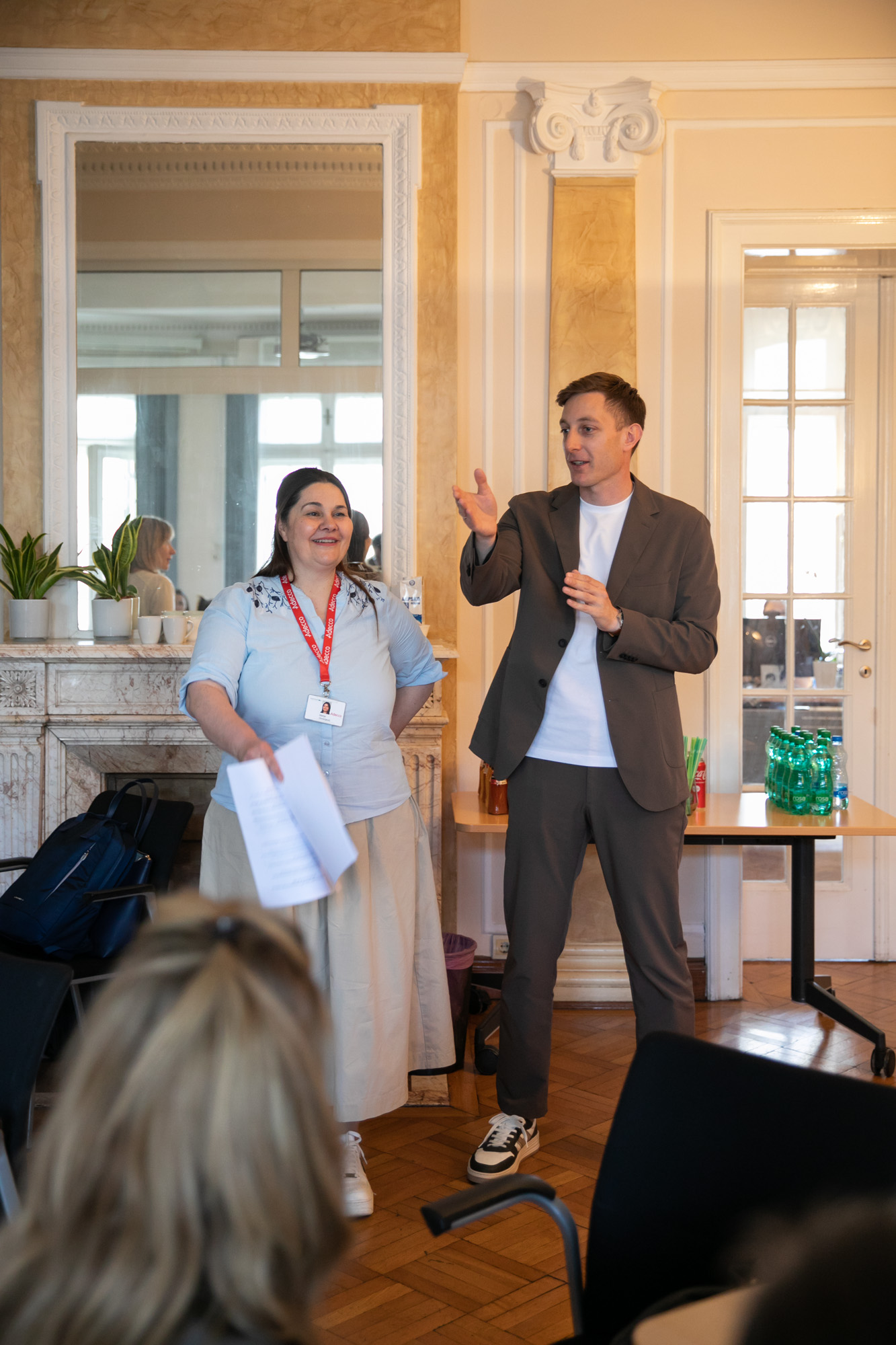
The workshop was led by Katarina Jovanović Čorlija, Senior Culture & People Business Partner at STADA GIS Serbia, Hemofarm A.D., and Marija Dimitrijević, Team Leader Recruitment and Business Support at Adecco. The conclusion of the event was that developing effective middle management requires a long-term, structured, and personalized approach, in which HR plays a key role in aligning business goals with people development.